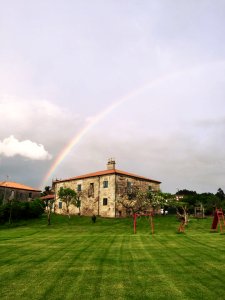
Pazo Marinao
Rustic house Pazo Mariñao 27204 Palas de Rei, Spain

About the Pazo Marinao:
Country hotel located on the way of Saint James, routes.
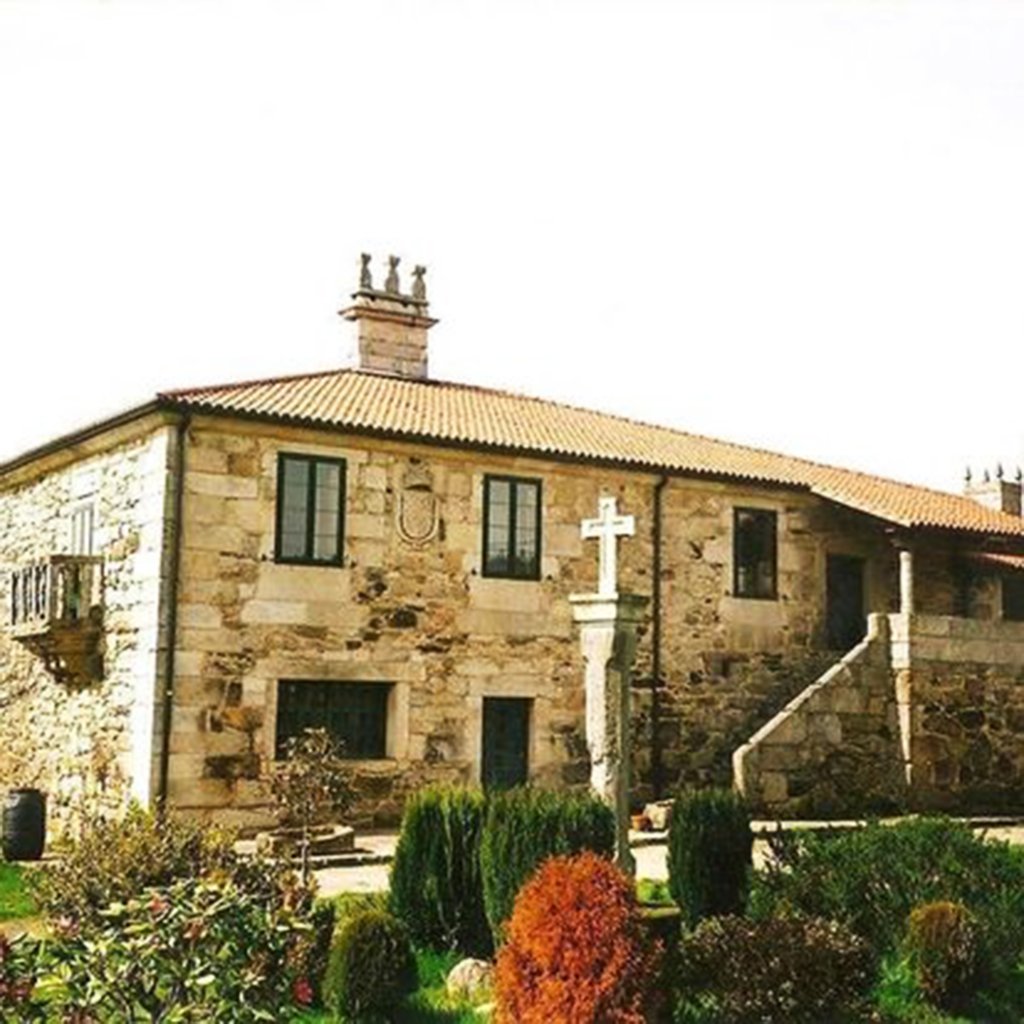
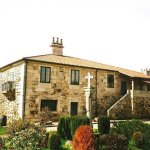
The Pazo marinae is facing the south gate of the church of Meixide, town of Palas de Rei (Lugo), the Camino de Santiago, on the banks of the river Pambre. It is a XVIII century building, rectangular, has two balconies carved in stone and kept a noble stone staircase attached to the main facade to access the first floor and two fire-tower.
He belonged to the Marquis of Camarasa.
Between two first floor windows, stone retains weapons of Arias, Ozores, Lemos, Gaioso and Ulloa.
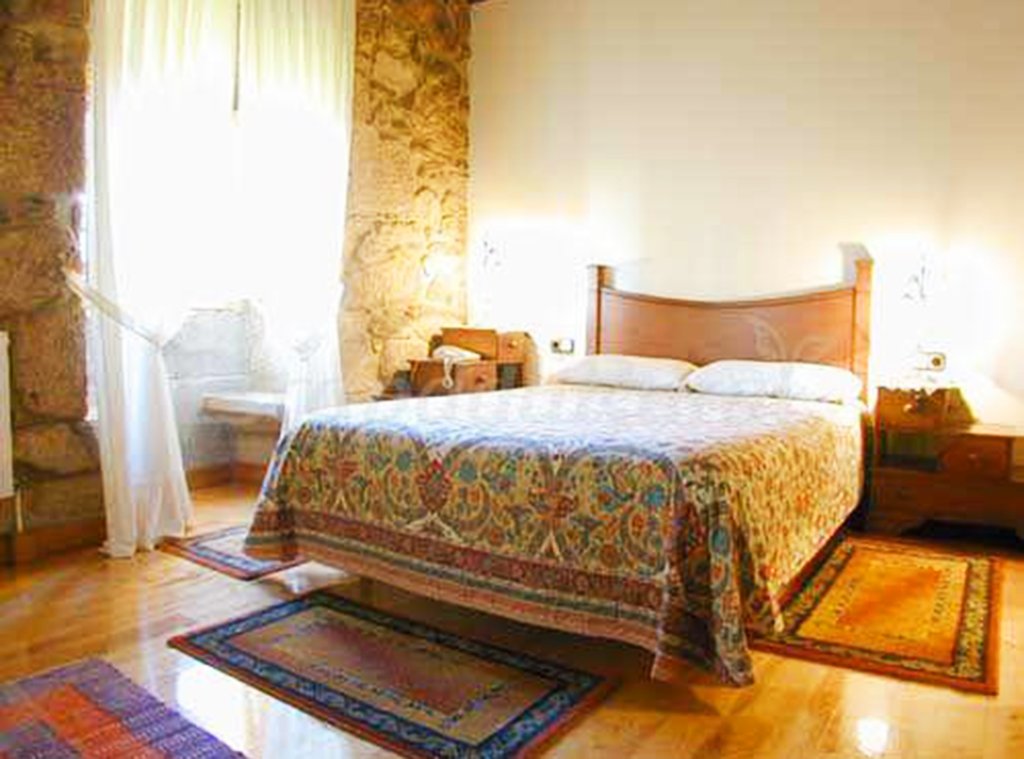
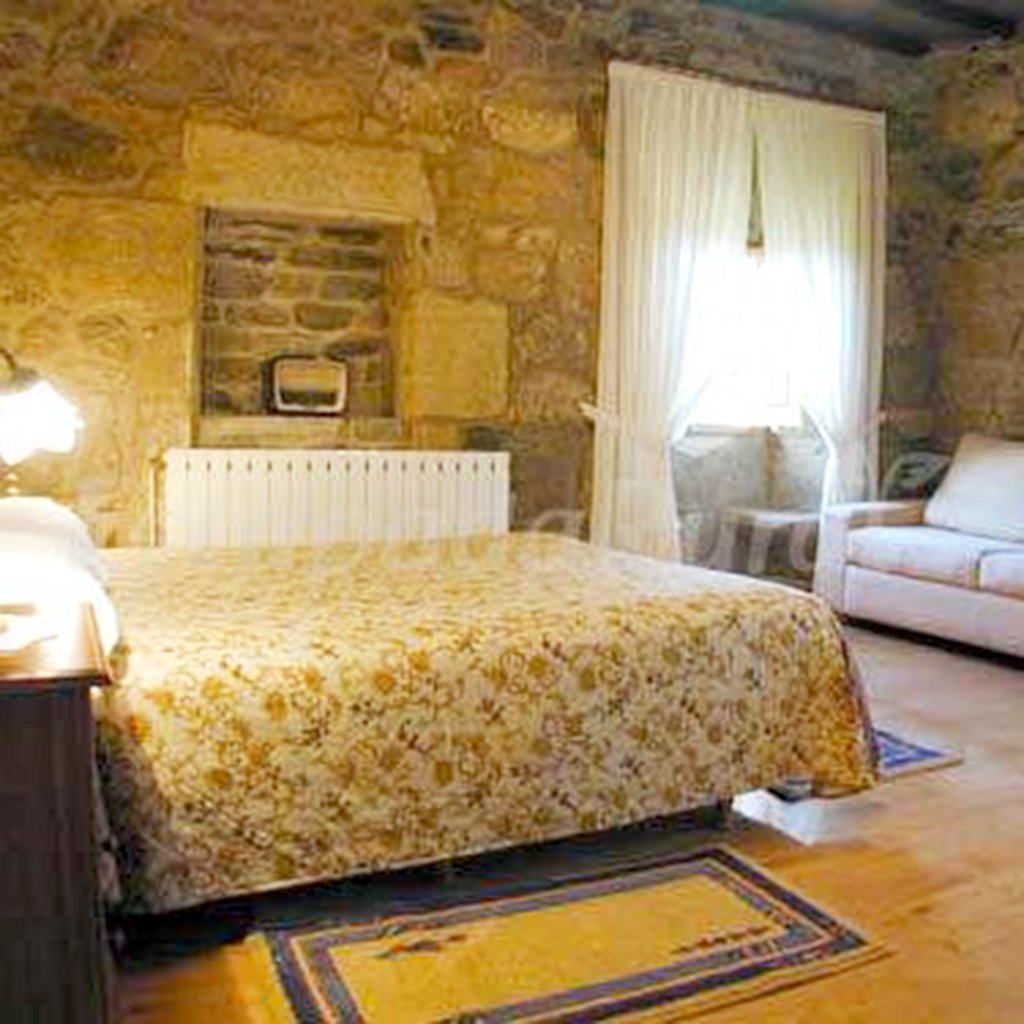
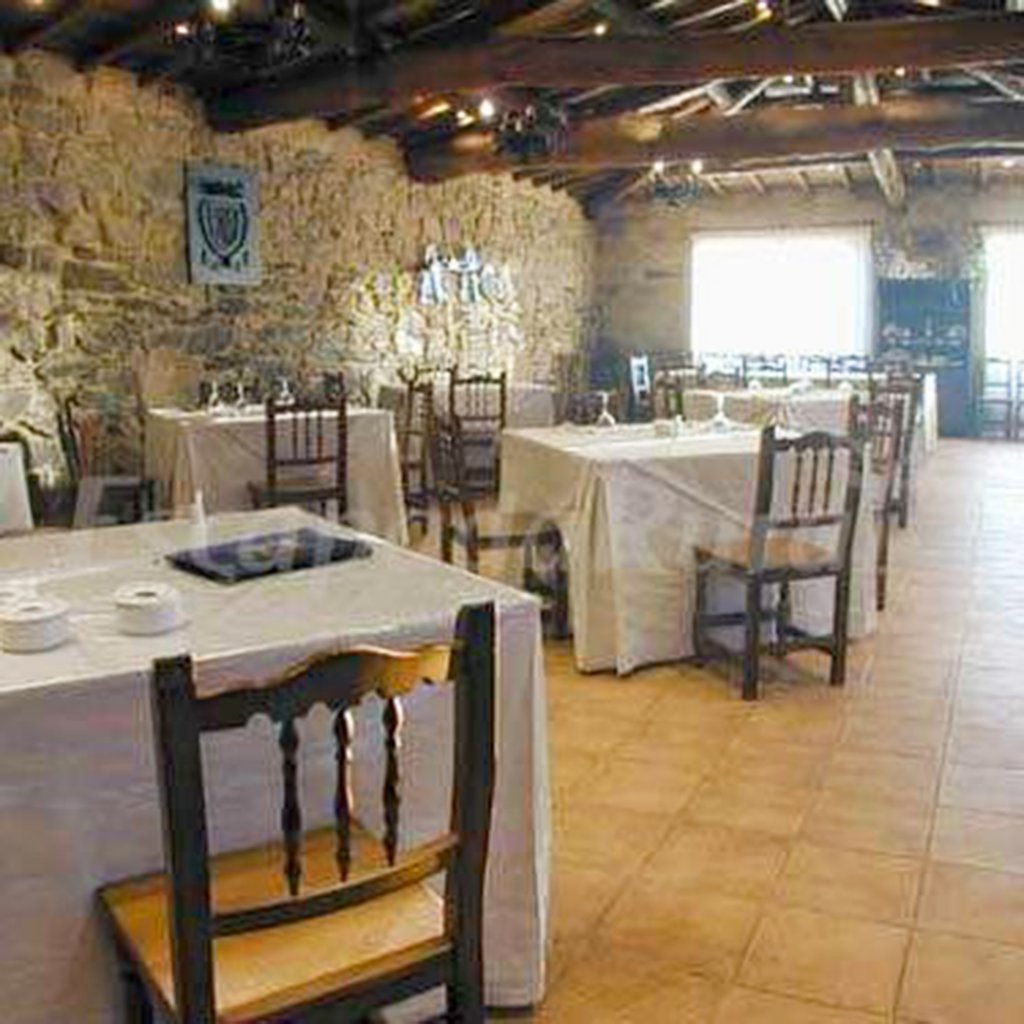
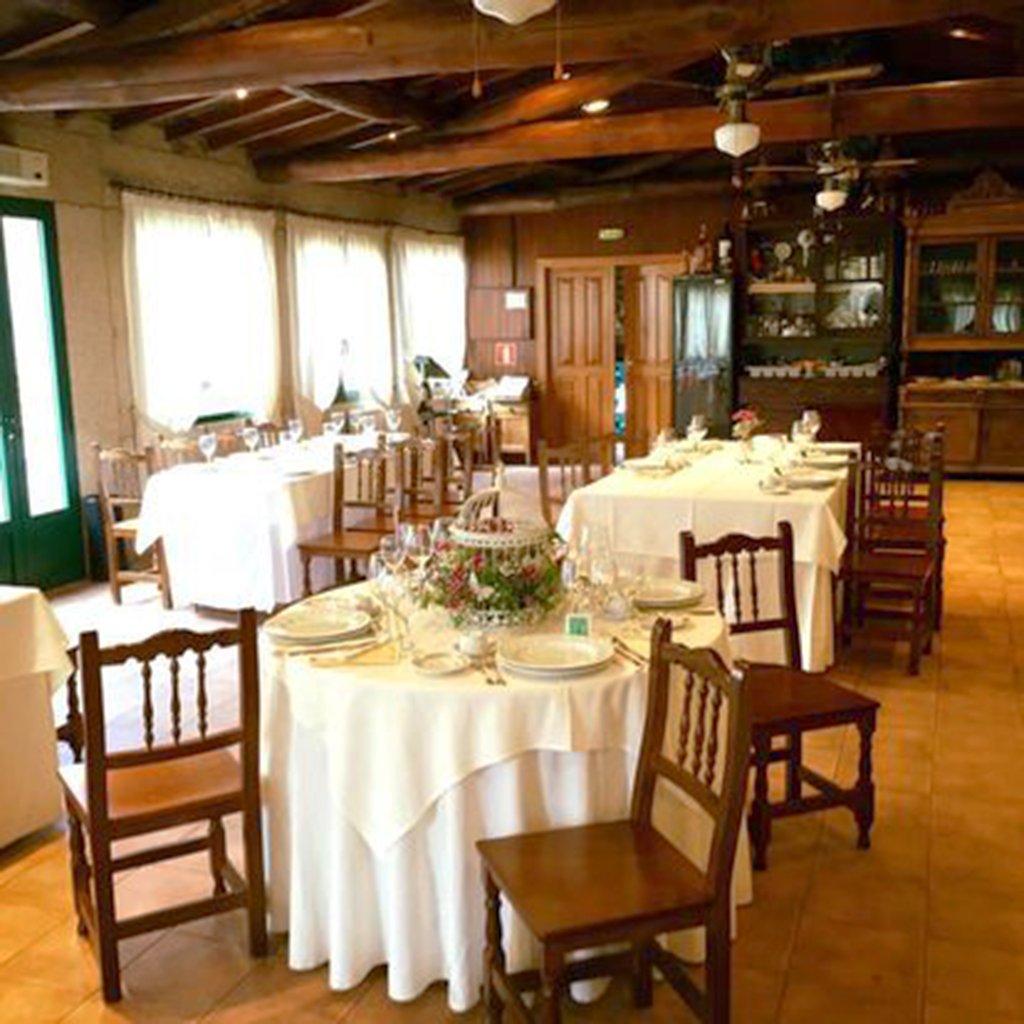
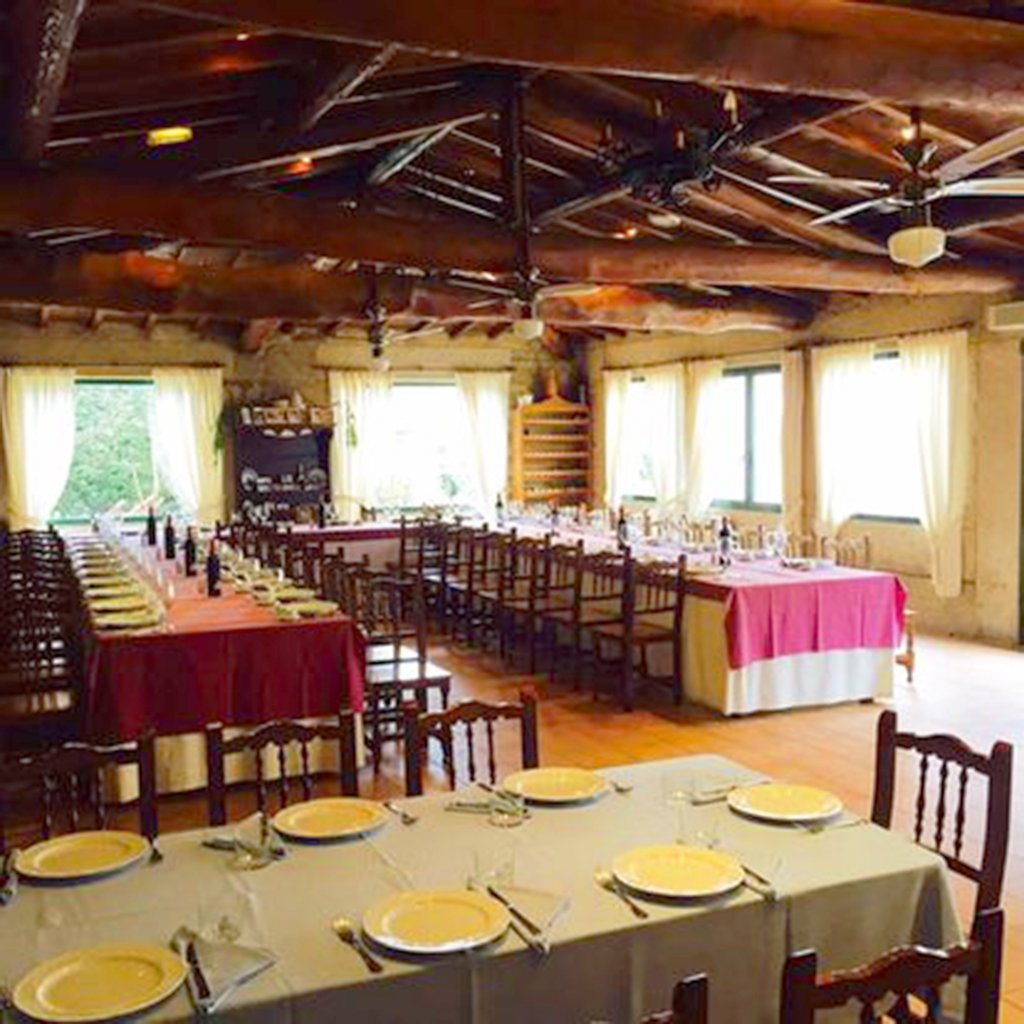
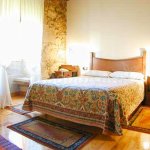
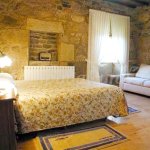
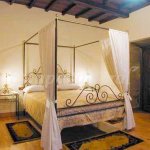
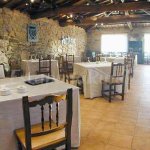
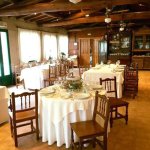
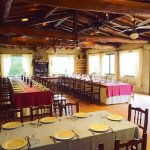
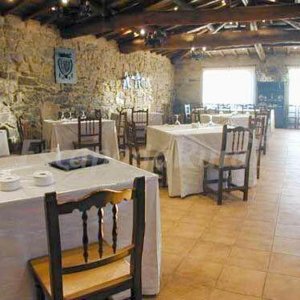
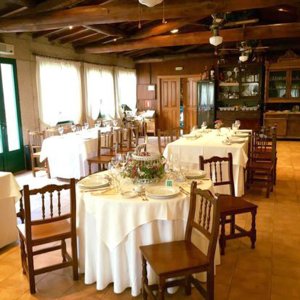
Currently, qualified as a rural tourism house consists of dining room, seven double rooms, old hearth and living room.
Journey to the eighteenth century with advances in XXI century.
ARTISTIC HERITAGE
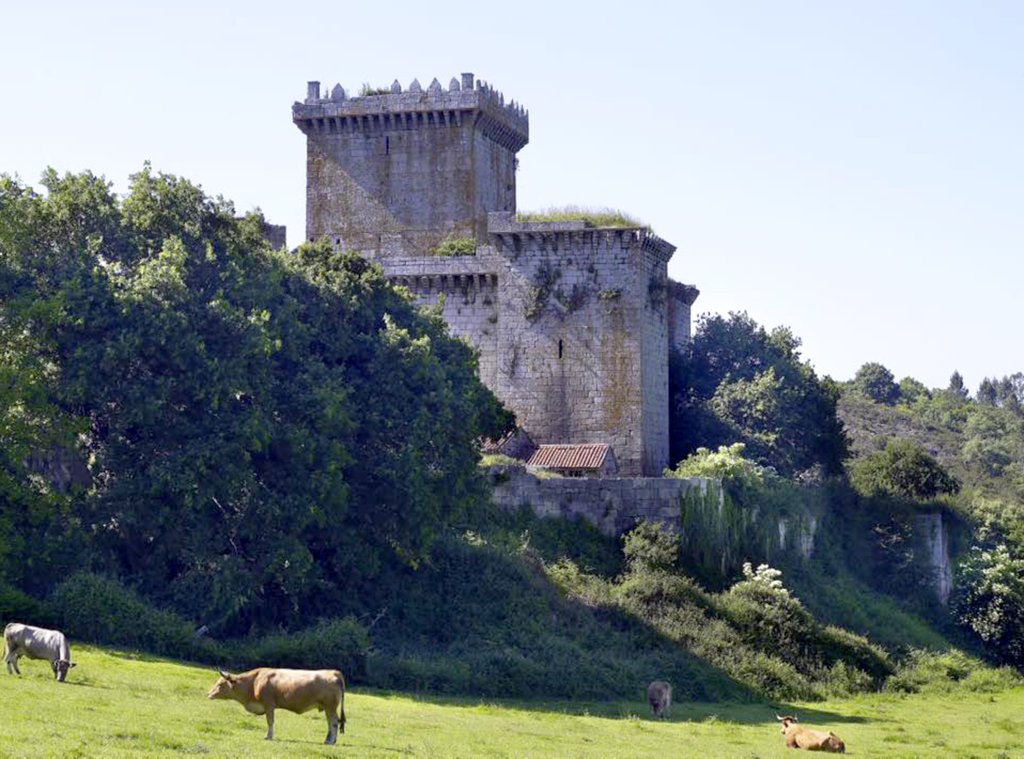
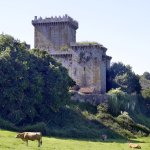
The artistic heritage of Palas de Rei is varied and important, in the sacred art section point out the best example is the monastery church of Vilar de Donas, historical-artistic monument nationwide since 1931. It has a Latin cross nave, transept and apses each with a central apse side. His art forms are Romanesque with Gothic influences and Cistercians, but its construction took place in the first half of the thirteenth century. The decoration and layout of the interior is of high artistic value above all the main apse and the wall paintings that form one of the most prominent and best preserved in Galicia. These tempera performed by at least three artists to be the best scene of the mystery of the Annunciation of Our Lady. It is also necessary to highlight the stone canopy cruise and burial since the end of s. Figure XII as a place of burial of the Knights of the Order of Santiago, belonging one of the burial urns Fernando Ares Noguerol the gentleman with recumbent figure supported by animals and Gothic style. The facade is outstanding, shares Romanesque and Gothic elements and is organized from the front door with arch, tornalluvias Shopping abilletada, zigzag or plant motifs and figurative. About tornalluvias and stone sculptures in front of the facade itself vestiges of Gothic portico. Civil architecture reflects the noble past of this land as remains of forts, towers, castles and manor houses several coats of arms.
Contact number: +34 982 38 03 02
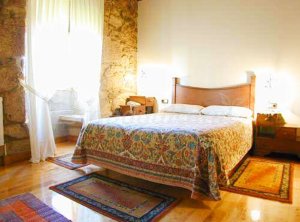
Guest Rooms
4 rooms. A double with bath. 3 room. special double room with bath
Facilities:
- Extra beds
- Crib
- Telephone in rooms
- Internet access
Dining
Restaurant Menu
FIRST
- Clams a la marinera
- Prawns on the grill
- Shrimp Scampi
- Zamburiñas
- Knives
- Grilled squid
- Octopus at planch
- Octopus at the fair
- Hors d’oeuvres (ham, chorizo, sausage)
- Asparagus with mayonnaise
- Mixed salad
- Varied creams
FISH
- Grilled hake
- Hake Galician
- Monkfish with white wine sauce
- Grilled sole
- Grilled cod
MEATS
- T-bone steak (500 grams apr
- Beef st
- Veal Churra
- Mixed barbe
- Lamb Ch
- Beef entrec
- Beef st
- Beef tenderloin
- Beef tenderloin
- Iberian sirloin
WINES WHITE GALLEGOS
- ALBARIÑO:
- Albariño Terras Gauda
- Marín Codax
- Pazo de Serantellos
- Zarate
- Viña Almeira
- Albariño Cosechero
- GODELLO:
- Joaquin Rebolledo
- Casal Novo
WINES RED GALLEGOS
- MENCIA RIBEIRA SACRA:
- Abbey of Cova
- Rector of Amandi
- Viña de Neira
- Tenth
- Regina Viarun
- Quinta de Albarado
- Val de Quiroga
- Pitcher of the house
- RIOJA CRIANZA:
- Preserve
- Bordon
- Lan
- Lan Magnun
- Azpilicueta
- Marques de Cáceres
- Dynasty of Vivanco
- Sierra Cantabria
- Campillo
- RIBERA DEL DUERO:
- Portia Prima
- Montebaco
- Quinta de Tarsus
- Operetta
- Protos
- RIOJA RESERVE:
- Campillo
- Monte real
- Lanciano Vineyard
Facilities
ESTABLISHMENT SERVICES
- Parking
- Bicycles (ask)
- Extra beds
- Crib
- Dining room
- Living room
- Facilities accessible to the disabled
- Facilities for children
- Garden
- Huerta
- Telephone in rooms
- Board games
- Common television
- Internet access
- Credit card support
- Bar – Cafeteria
SERVICES LESS THAN 1 Km
- Spa
- Natural space
- River fishing